The geography of Azerbaijan offers an extraordinary variety of landscapes, making the country an ideal destination for hiking and trekking tours in Azerbaijan. Within a relatively short distance, travelers can experience everything from semi-desert plains and lowlands below sea level to alpine tundra and mountain peaks rising to 4,466 meters in the Greater Caucasus. From the Caspian coast to high mountain valleys, Azerbaijan’s diverse ecosystems create perfect conditions for unforgettable trekking adventures in the Caucasus Mountains.
Central Azerbaijan is known for its dry and arid climate, especially across the lowland areas. However, as the elevation increases toward the mountainous frontiers, the landscape gradually transforms. The dry plains give way to lush forests, green alpine meadows, and eventually dramatic rocky highlands. These natural transitions make hiking routes in Azerbaijan particularly rewarding, allowing trekkers to cross several climate zones within a single journey.
Despite the challenging terrain and harsh living conditions in some regions, people have established villages in these remote mountains and valleys for centuries. While modern roads and technology have changed aspects of daily life, many communities still preserve their traditional culture, architecture, and way of life.
For adventurous travelers and nature lovers, visiting these settlements is like stepping back in time. Below we highlight seven of the most remote villages in Azerbaijan, destinations that are perfect for trekking, cultural exploration, and authentic mountain experiences in the Caucasus.
Sim, Astara
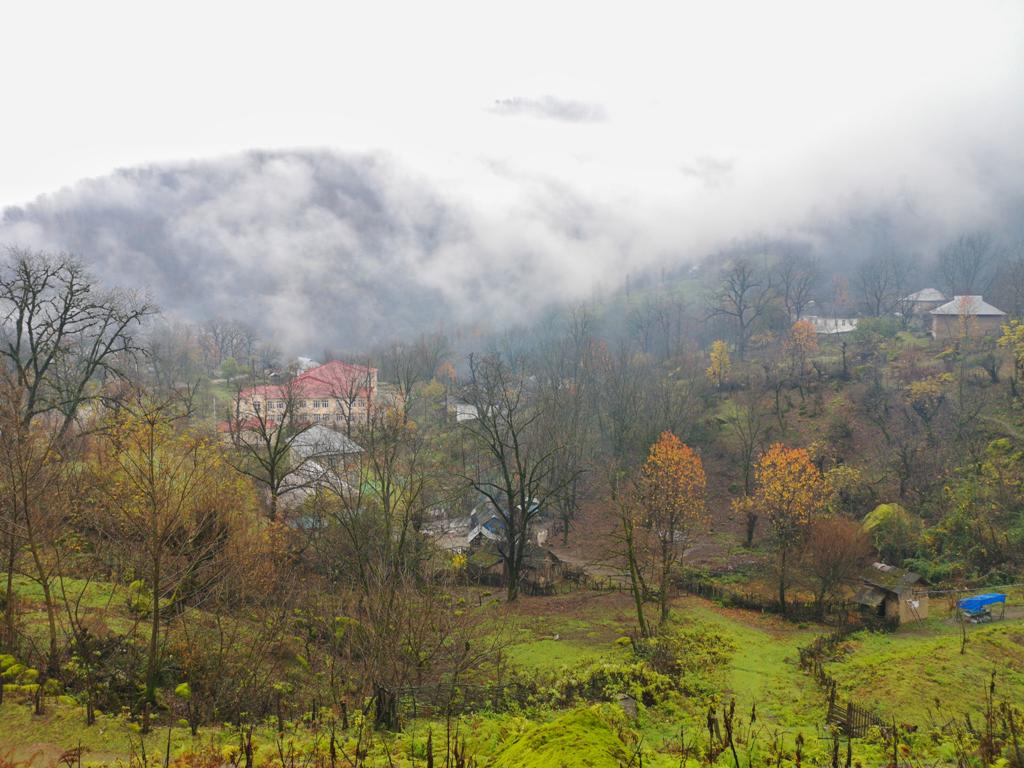
The southern regions of Azerbaijan remain some of the most underrated destinations for travelers seeking authentic nature and culture, and Sim village in Astara, located near the border with Iran, is a perfect example. Surrounded by forested hills and dramatic landscapes, Sim is an excellent destination for hiking and trekking in southern Azerbaijan. The village is traditionally inhabited by the Talysh people, whose language and culture are closely linked to Persian heritage, offering visitors a unique cultural experience alongside beautiful nature. The best months to visit Sim are October and November, when the surrounding forests turn into vibrant autumn colors. On a typical rainy day, the village is often covered in thick fog, with muddy mountain roads and colorful leaves falling across the landscape. The misty hills, dark soil, old trees, and green turf create an almost magical atmosphere that makes the village feel like a forgotten mountain world. Staying in a local house deep in nature in Sim is a true retreat for travelers looking to escape the city, while the surrounding forests offer easy hiking opportunities to nearby waterfalls hidden deep in the mountains, where wild fruits grow abundantly and untouched nature feels like a small piece of paradise. Sim also carries historical significance, as local tradition says that Ismail I, the future founder of the Safavid Empire, was hidden in the village as a toddler while escaping his enemies, adding a fascinating historical layer to one of the most peaceful and scenic hiking destinations in Azerbaijan.

Saribash, Qakh
In the northwestern mountains of Azerbaijan, the remote village of Sarıbaş is a perfect destination for travelers seeking off-the-beaten-path hiking and trekking in Azerbaijan. Located about 10 km from İlisu, one of the historic centers of the former Ilisu Sultanate, Sarıbaş sits high in the Greater Caucasus at around 1,800 meters above sea level, making it one of the highest mountain villages in the country and a remarkable stop for mountain trekking tours in Azerbaijan. During the 16th–18th centuries, nearby İlisu served as the capital of the Ilisu Sultanate under the suzerainty of the Safavid Empire, and the region’s long tradition of local autonomy helped nurture a vibrant culture rich in cuisine, history, and customs. Today, visitors to Sarıbaş can experience breathtaking views over the Kurmuk River valley, explore scenic hiking trails in the surrounding mountains, and encounter a unique local culture where residents are known for their distinctive Oghuz-based Turkish dialect, strong connection to nature, and traditional regional dishes such as surhulu, making Sarıbaş one of the most fascinating remote hiking destinations in Azerbaijan.

Khinalug, Quba
Perched high in the Greater Caucasus, Khinalug is one of the most spectacular and remote destinations in Azerbaijan, often described as the highest continuously inhabited mountain village in Europe, sitting at an altitude of around 2,350 meters above sea level. Reaching Khinalug from the Baku is an unforgettable journey for travelers interested in hiking and trekking tours in Azerbaijan, as the road gradually transforms from the dry Caspian lowlands into dramatic alpine landscapes of the Caucasus. Along the way, visitors encounter the diverse cultural mosaic of northern Azerbaijan, where communities of Shia and Sunni Muslims live alongside the historic Mountain Jews. Home to a population of just over 2,000 people, Khinalug is known for its unique culture and the Khinalug language, spoken by an indigenous ethnic group believed to have lived in the region for thousands of years. Staying in a traditional homestay allows travelers to experience authentic mountain hospitality and taste delicious northern Azerbaijani cuisine, while the village also serves as a gateway for trekking routes in the Caucasus, including scenic hikes to nearby highland villages such as Haput, Qalayxudat, and Griz, as well as challenging climbs to the peaks of the Gizilgaya Massif and Mount Khinalug, making it one of the most rewarding destinations for trekking and mountain adventures in Azerbaijan.


Qrız, Quba
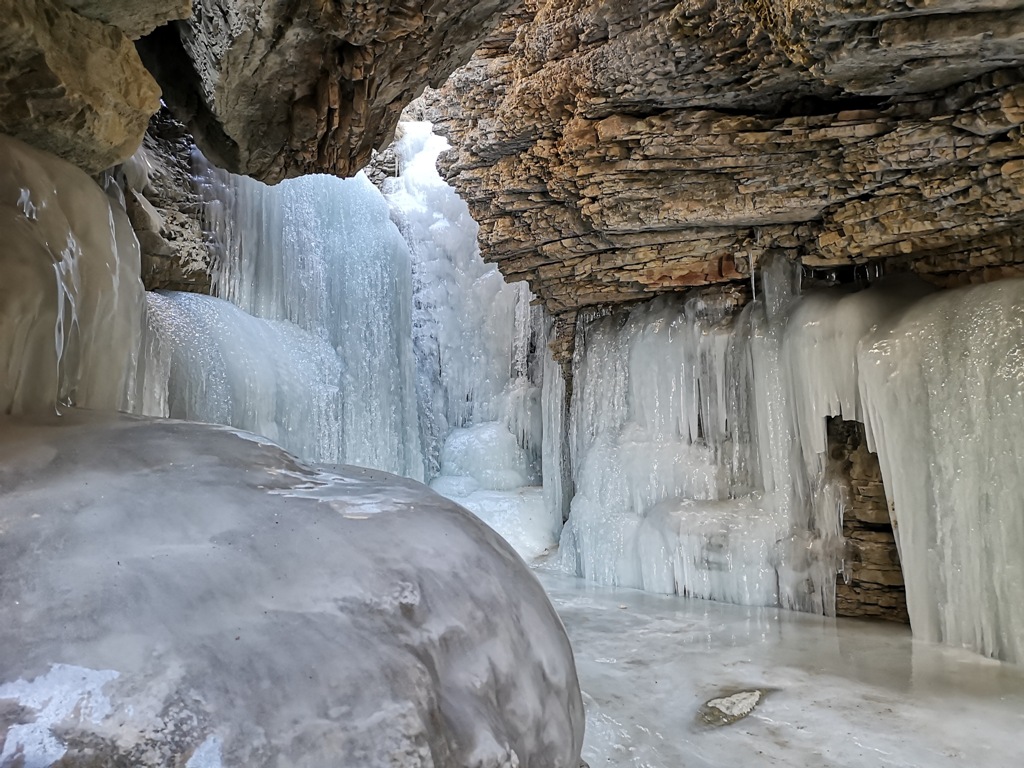
Hidden deep in the Greater Caucasus, the remote village of Griz sits at around 2,000 meters above sea level, surrounded by dramatic cliffs that naturally conceal this mountain settlement in the highlands of Azerbaijan. Much like nearby Khinalug, the people of Griz belong to a distinct ethnic group with their own language, and the small village has a population of only about 350 residents, making it one of the most authentic destinations for hiking and trekking in Azerbaijan. Visitors who stay in local homestays can experience genuine mountain hospitality, sleeping in cozy rooms decorated with colorful carpets and sharing time with warm and cheerful village grandmothers whose charm reflects the timeless culture of the Caucasus. Slow-cooked home-style meals, often prepared with herbs gathered from the surrounding mountains, create a unique culinary experience that travelers rarely find elsewhere. One of the most beautiful natural attractions near Griz is the Griz Waterfall, located about 3 km from the village, roughly a one-and-a-half-hour hiking trail through scenic mountain landscapes. In summer the waterfall becomes a refreshing natural swimming spot, while in winter the frozen cascade transforms into a magical icy landscape that feels like a fairy-tale setting, making Griz one of the most unforgettable trekking and nature destinations in the Caucasus Mountains of Azerbaijan.


Lahij, Ismayilli
One of the most ancient settlements in Azerbaijan, Lahij has become one of the country’s most fascinating cultural destinations thanks to its preserved traditional lifestyle and centuries-old copper craftsmanship. Located on the banks of the Girdman River at the foothills of the Greater Caucasus, Lahij combines beautiful mountain nature with the remarkably preserved character of a medieval mountain town. The village is famous for its cobblestone streets, stone houses built from river rocks, historic drainage systems, and traditional workshops where blacksmiths and coppersmiths continue crafts passed down through generations. With a population of around 1,000 residents, many of whom speak the Tat language, Lahij offers travelers a rare glimpse into a living cultural heritage in the Caucasus. The village’s ageing population adds a sense of nostalgia and authenticity to the experience, while its well-developed tourism infrastructure makes it one of the most accessible places for visitors interested in hiking and cultural tourism in Azerbaijan. One of the highlights of visiting Lahij is the opportunity to hike to nearby Niyaldağ (2,053 m), where trekkers are rewarded with breathtaking views over the surrounding valleys and mountains, making Lahij a perfect destination that blends history, mountain trekking, and traditional culture in the Caucasus.

Qalakend, Gedabey
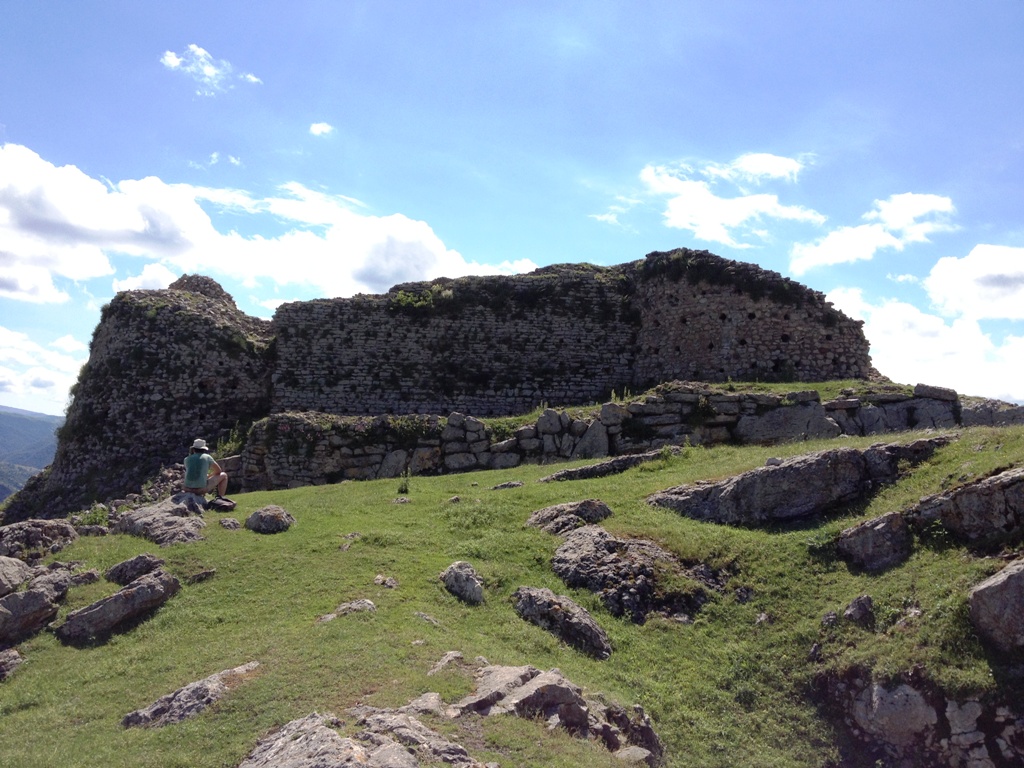
Travelling to the western highlands of Azerbaijan in the Lesser Caucasus, the region of Gədəbəy stands out as one of the most underrated destinations for hiking and trekking in Azerbaijan. Known for producing some of the country’s best honey and potatoes, Gedebey also has a rich industrial history linked to gold and copper mining. About 13 km west of the town lies the picturesque village of Qalakənd, surrounded by rolling green hills, vast potato fields, and the scenic valley of the Şəmkir River, creating one of the most beautiful natural landscapes in the region. Overlooking the village on a steep mountain cliff stands the legendary Koroglu Castle, a dramatic medieval fortress connected to the folklore hero Koroglu. From the castle, adventurous travelers can follow traces of the region’s fascinating German industrial heritage, including the route of the 19th-century railway built by Siemens to transport copper from Gedebey mines. Hiking along this historic railway corridor reveals impressive engineering structures such as stone viaducts and elegant arch bridges from the 19th century, making Gedebey and Qalakənd a unique destination where mountain trekking, industrial history, and dramatic Caucasus landscapes come together.


Toghanali, Göygöl
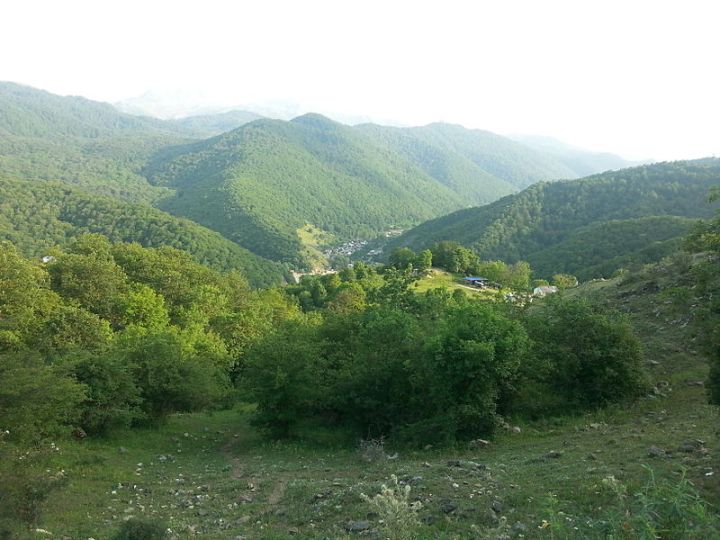
Nestled in the western mountains of Azerbaijan, Toğanalı is a popular mountain getaway for travelers from nearby Ganja and one of the most scenic starting points for hiking and trekking in the Lesser Caucasus. Located near the İlkhidara River, the village is surrounded by natural mountain forests rich in wild berries and nuts, while the nearby Göygöl National Park is home to some of the most breathtaking alpine lakes in the Caucasus. From Toğanalı, visitors can easily reach the famous Göygöl and explore several of the park’s beautiful lakes and forest trails. Tourism infrastructure in the area is relatively well developed, with accommodation, transportation, and food services available within the national park during the warmer months. The best time to visit Toğanalı and Göygöl National Park is in summer, as most tourism services close during autumn and winter due to harsh mountain conditions. The village also serves as an excellent base for trekking and climbing adventures toward Mount Kapaz, one of the region’s most iconic peaks. According to historical records, a powerful 1139 Ganja earthquake caused massive rockslides from Mount Kapaz, blocking the Ağsu River and creating a chain of 19 mountain lakes, including the stunning Göygöl, making this region one of the most fascinating destinations for nature, history, and mountain trekking in Azerbaijan.

Related Hiking and trekking Tours in Azerbaijan:
- 1-Day Mt. Baybeyim Summit Climb in Khizi
- Day Trip to Khinalug, Guba
- 3-Day Remote Villages Trekking Tour of Guba
- 5-Day Trekking in Greater Caucasus Mountains
Written by: Local Guides in Baku
www.azerbaijantraveller.com
 urban architecture blog by genii